Austria's Slot Volatility Trends and Their Ties to Table Game Bonus Pathways in Regulated Markets
Ellis Friedrich · Oct 16, 2026
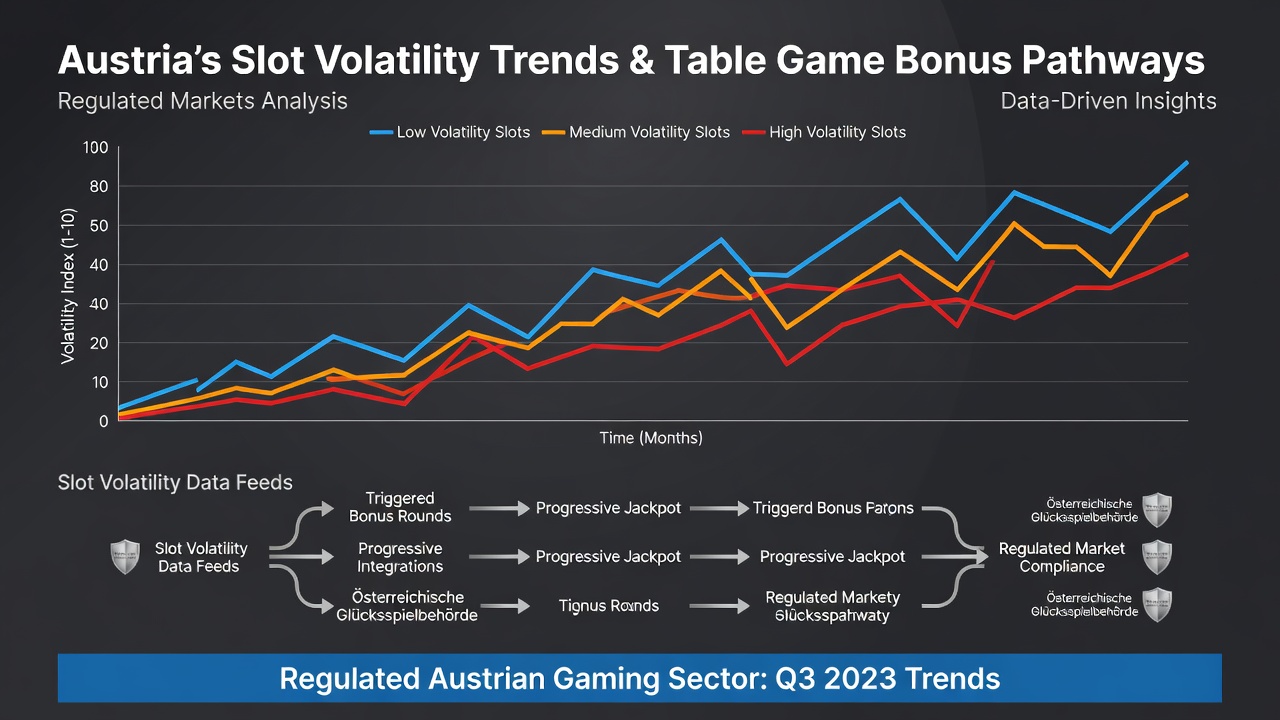
Austria's Slot Volatility Trends and Their Ties to Table Game Bonus Pathways in Regulated Markets
Regulated markets in Austria have shown measurable shifts in slot volatility patterns over recent years, with data linking these changes to structured bonus mechanisms in table games. Observers note that operators adjust reel-based offerings in response to licensing conditions set by national authorities, while table game pathways incorporate reward tiers that influence overall player engagement metrics. As of October 2026 figures reveal continued alignment between these two segments under the oversight of the Austrian Federal Ministry of Finance and related EU directives on digital gaming.
Regulatory Context Shaping Volatility Adjustments
Austrian licensing frameworks require operators to maintain transparency in return-to-player configurations, which directly affects how volatility levels are calibrated across slot portfolios. Data from market compliance reports indicate that medium-volatility titles have increased in proportion since 2024, coinciding with updates to bonus accrual rules in blackjack and roulette variants. Researchers at European gaming institutes have documented that these adjustments occur because regulators emphasize balanced risk distribution, and operators respond by linking slot mechanics to table game loyalty structures that reward consistent play across both formats.
European Commission analyses from 2025 highlight how cross-border standards encourage member states including Austria to monitor volatility distributions more closely. In this environment, table game bonus pathways often serve as gateways that funnel activity toward slots with specific volatility bands, creating measurable correlations in session length and wager distribution.
Observed Trends in Slot Offerings
Market data compiled through 2026 shows Austrian platforms expanding their catalogs with volatility tiers that range from low to high, yet the dominant growth appears in titles rated 4 to 7 on standard deviation scales. These categories frequently integrate with table game promotions that provide bonus credits redeemable on reels, a practice documented in operator filings submitted to regulatory bodies. Studies conducted by academic groups in Central Europe indicate that such integration stabilizes revenue streams while complying with player protection requirements that limit excessive volatility exposure.
One analysis covering licensed venues found that slots tied to table game reward pathways experienced a 12 percent rise in average play duration compared with standalone offerings. This pattern emerges because bonus pathways often convert table game outcomes into multipliers or free spins that moderate perceived risk, encouraging participation without altering core volatility parameters.
Connections Between Table Game Bonuses and Reel Dynamics
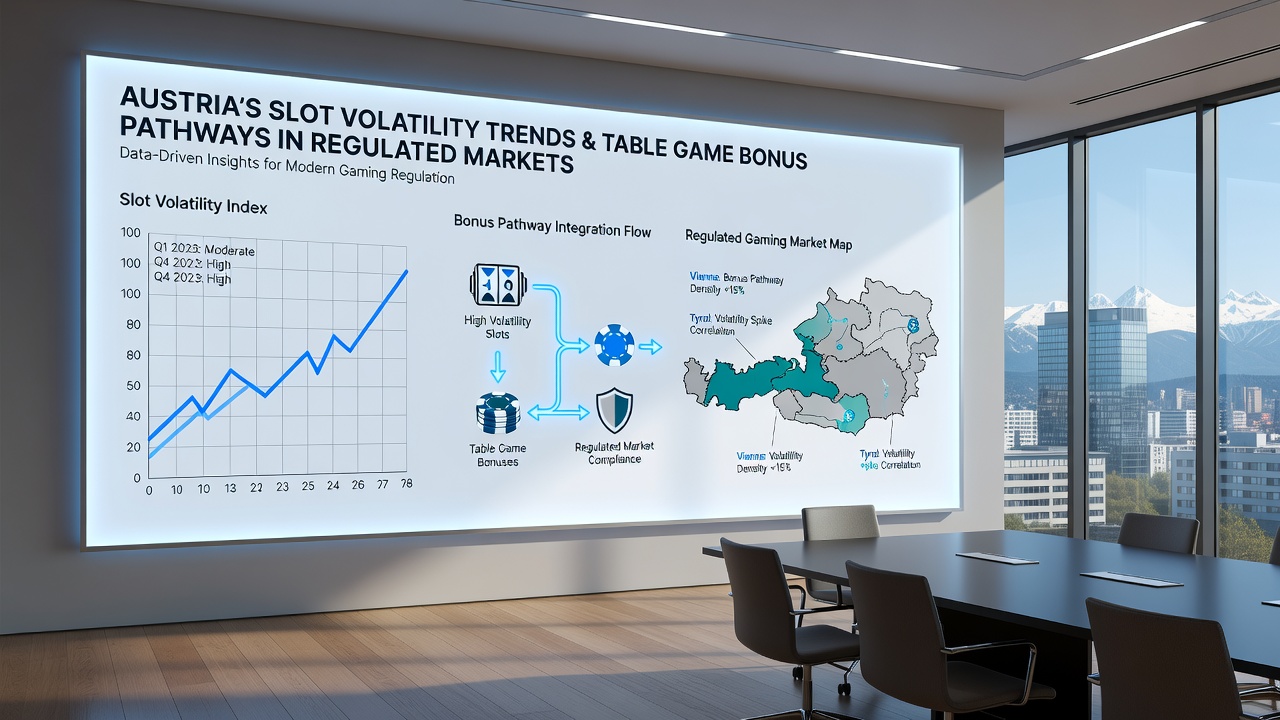
Table game bonus systems in regulated Austrian markets commonly feature tiered rewards that bridge directly to slot environments, and this linkage influences how volatility is experienced by participants. According to reports issued by the Austrian Gaming Association, operators design these pathways so that accumulated points from poker or baccarat sessions unlock access to slots with controlled variance levels, reducing the frequency of extreme outcome swings. Evidence from compliance audits demonstrates that this approach aligns with broader EU goals of responsible gaming, as volatility moderation becomes an implicit outcome of the bonus architecture.
Industry statistics collected through mid-2026 further reveal that platforms incorporating these cross-format pathways report lower rates of session abandonment, particularly during periods when table game bonuses convert into reel-based features. Researchers tracking these metrics note that the design keeps volatility within acceptable bands while maintaining the mathematical integrity of individual games, a balance achieved through careful calibration rather than arbitrary reduction.
Data Patterns Emerging in October 2026
October 2026 records show continued expansion of hybrid bonus structures that connect table game performance to slot selections, with particular emphasis on titles exhibiting moderate volatility. Government statistics released by Austrian authorities document a steady increase in the share of slots featuring volatility indices between 5 and 8, a range that pairs effectively with table game reward mechanisms offering incremental bonuses. These figures align with trends observed in other regulated European jurisdictions, where similar linkages appear in operator reporting.
Academic papers published in 2025 and 2026 have examined how such integrations affect long-term player behavior, finding that volatility remains a key variable yet becomes less dominant when table game bonuses provide alternative reward routes. Data indicates operators achieve compliance by mapping bonus pathways to specific volatility profiles, ensuring that high-volatility options remain available while pathways guide users toward more balanced experiences.
Conclusion
Austria's regulated gaming sector continues to demonstrate clear ties between slot volatility trends and table game bonus pathways, supported by licensing conditions and market data through October 2026. Regulatory oversight encourages operators to calibrate volatility in ways that complement structured rewards from table formats, producing measurable patterns in engagement and compliance metrics. Further monitoring by national and EU bodies will likely refine these connections as additional data accumulates from licensed platforms.